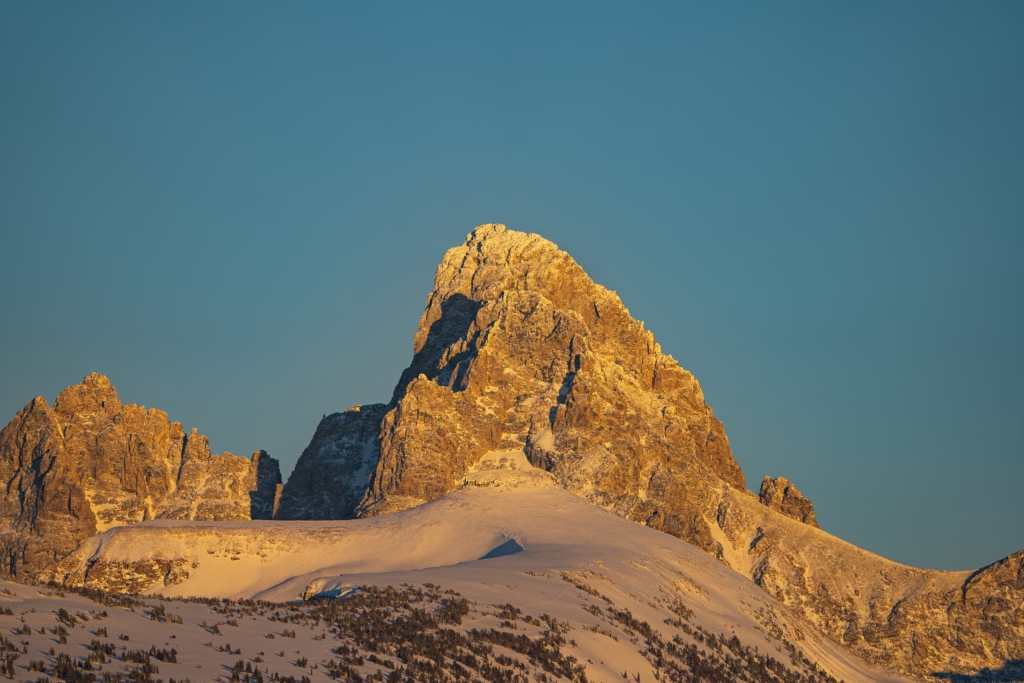
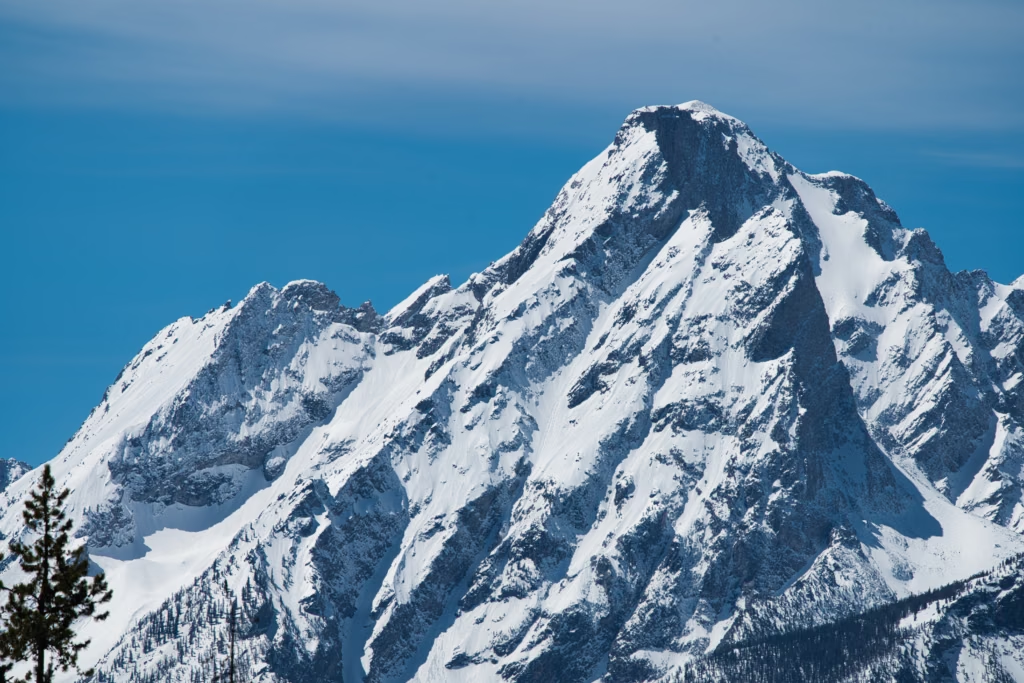
People ask me two questions about photos in Grand Teton National Park: where should we go, and what time? The second one matters more. Jackson Hole sits east of the Teton Range, so the peaks face the morning sun. From about half an hour before sunrise until a couple of hours after, the mountains are lit from the front and the valley is usually calm.
In the evening the sun drops behind the range and the peaks turn into a dark wall against a bright sky. That is less useful for landscapes and lovely for portraits, because the low sun backlights hair and shoulders and keeps faces in soft, even light.
Here are the six places I return to most, what each one is good for, and how I plan a session around them. If you are coming in the snow, read photographing Yellowstone and Grand Teton in winter first.
1. Schwabacher Landing
A side channel of the Snake River where beaver dams have slowed the water into still ponds. On a calm morning the whole range reflects in them. It is the classic Teton sunrise, so it is busy: arrive before first light for parking and a spot on the bank.
For couples, walk upstream along the ponds. The crowd thins within a few minutes and the reflection stays behind you. Wind is the enemy here. Even a light breeze breaks up the reflection, which is one more reason to be there early.
2. Mormon Row
The barns and homesteads on Antelope Flats, settled in the 1890s and listed on the National Register of Historic Places as a historic district in 1997. The T.A. Moulton Barn with the Tetons behind it is one of the most photographed scenes in the park, and the John Moulton homestead a short walk away has its own barn and far fewer people.
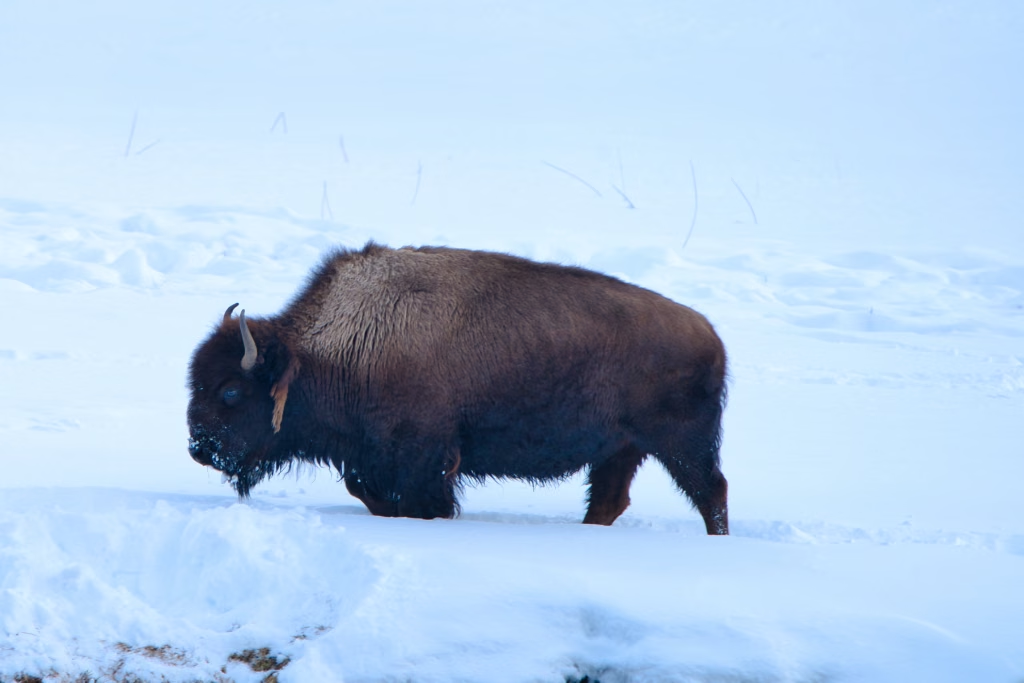
Sunrise lights the barns and the range together. In late afternoon the barns throw long shadows and the light turns warm and low, which suits family portraits. Bison often graze the flats nearby, so keep an eye on the field around you.
3. Oxbow Bend
About a mile east of Jackson Lake Junction, where the Snake River curls in front of Mount Moran. The water is often glass-still at dawn, it is one of the park’s best wildlife viewing areas, and in late September the aspens along the bank turn gold. Bring a longer lens: the best frames here are compressed views of the mountain over the river.
4. Snake River Overlook
The overlook where Ansel Adams made his 1942 photograph The Tetons and the Snake River. The trees have grown since, so some of the river’s bends are hidden, but the view down the valley to the range is still one of the best wide frames in the park, and it sits right on the highway.
For portraits, the overlook works best with a wide lens and the couple small in the frame, the river and the whole range behind them.
5. Blacktail Ponds Overlook
A quieter pullout with ponds, willows and an open view of the range. It catches the same morning light as the famous spots with a fraction of the crowd, which makes it a good choice for a proposal when you would rather not have an audience. Moose are often in the willows here, which is wonderful to watch and a good reason to stay alert.
6. Chapel of the Transfiguration
A small log chapel near Moose, built in 1925, with a window behind the altar that frames the Tetons. It is a beautiful setting for couples and small ceremonies. Weddings there are booked through the church, so check availability before you plan around it.
Choosing a season
- Summer. Long days, green valleys and wildflowers, with the busiest pullouts of the year. Sunrise comes very early, so plan a short night.
- Fall. Gold aspens and cottonwoods from late September, crisp mornings and calmer crowds. Many photographers’ favorite season in the park.
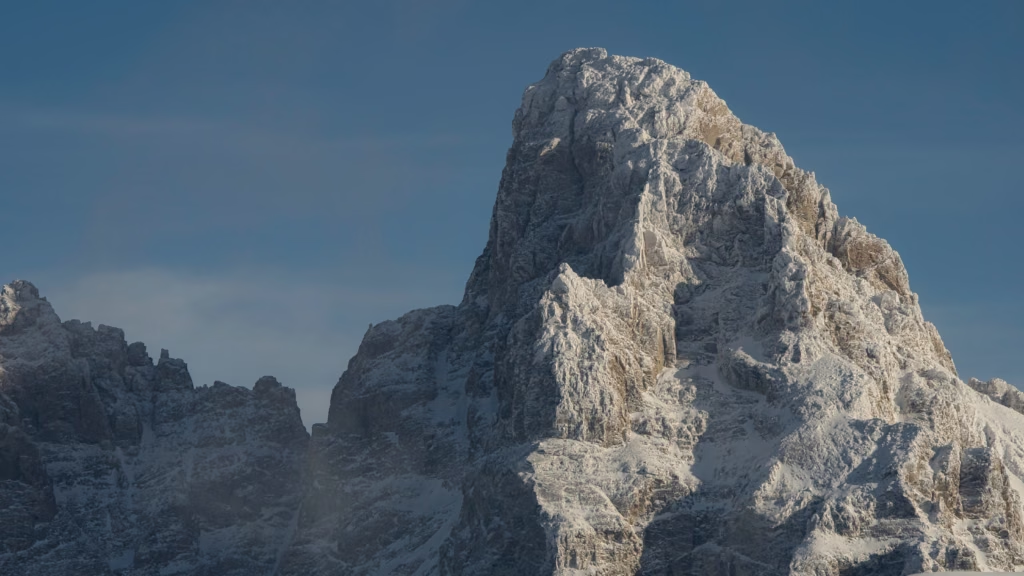
- Winter. Snow on everything and almost nobody around. The Teton Park Road closes to cars from November 1 through April 30, and side roads such as Antelope Flats and Schwabacher close based on conditions, so winter sessions stay close to the main highway.
- Spring. Snow on the peaks and green coming into the valley. Weather is unpredictable, which can mean dramatic skies.
Planning a portrait or proposal session
- Pick the light first, then the spot. Sunrise gives you the classic lit-up range. The hour before sunset gives warm, backlit portraits.
- Go early and midweek for privacy. The famous pullouts are busiest at sunrise on summer weekends.
- Leave room for weather. Clouds can hide the range for hours. A flexible morning often decides the session.
- Dress for the place. Solid, earthy colors sit well against sage, water and granite. Bring warm layers for sunrise, even in July.
- Keep your distance from wildlife. Park rules require 100 yards from bears and wolves and 25 yards from all other animals, including the moose and bison that wander through these spots.
- No permit needed for portraits. Portrait sessions in the park do not need a permit. A wedding or commitment ceremony does: the couple applies to the park for a Special Park Use Permit.
Planning a proposal
A proposal is the one session where the subject cannot know the plan. I scout the spot in advance, set up as a photographer working the view, and shoot the moment from a distance with a long lens so nothing gives it away. Then we move into portraits while the light is still good. Tell me the date and roughly where you are staying, and I will suggest the spot and the time.
I have been photographing these places since 2019, and I plan every session around the light, the crowds and where you are staying. See portraits, couples and proposals for sessions and pricing, browse Teton Light for more of the range, or send me your date.