Every October the freeride world drives into the desert outside Virgin, Utah, and points its cameras at a ridge of crumbling red sandstone. Red Bull Rampage is the event the sport measures itself against. Riders and their dig crews build their own lines down terrain nobody would ride anywhere else, then drop in one at a time in front of the judges.
I photographed Rampage from the ridgelines in 2023 and again in 2024. These are notes on the 2024 event, how it is shot, and the frames I am proudest of.
What makes Rampage different
Most mountain bike races happen on a course someone else built. At Rampage the riders choose a line down the face, then spend the days before the event shaping takeoffs and landings by hand with their crews, using shovels, picks and water hauled up the hill. Every line is different, and so is every photograph. A drop that looks ordinary from the road can be enormous from the side, and a feature that seems huge from below can disappear against the hill behind it.
That is why scouting matters more here than at any event I know. The terrain decides the picture before the rider ever drops in.
A record day
The men’s final ran on October 12, 2024. Canada’s Brandon Semenuk won with a score of 92.73, his fifth Rampage title, more than any rider in the event’s history. Poland’s Szymon Godziek finished second on 91.66 and Tyler McCaul took third on 90.66.
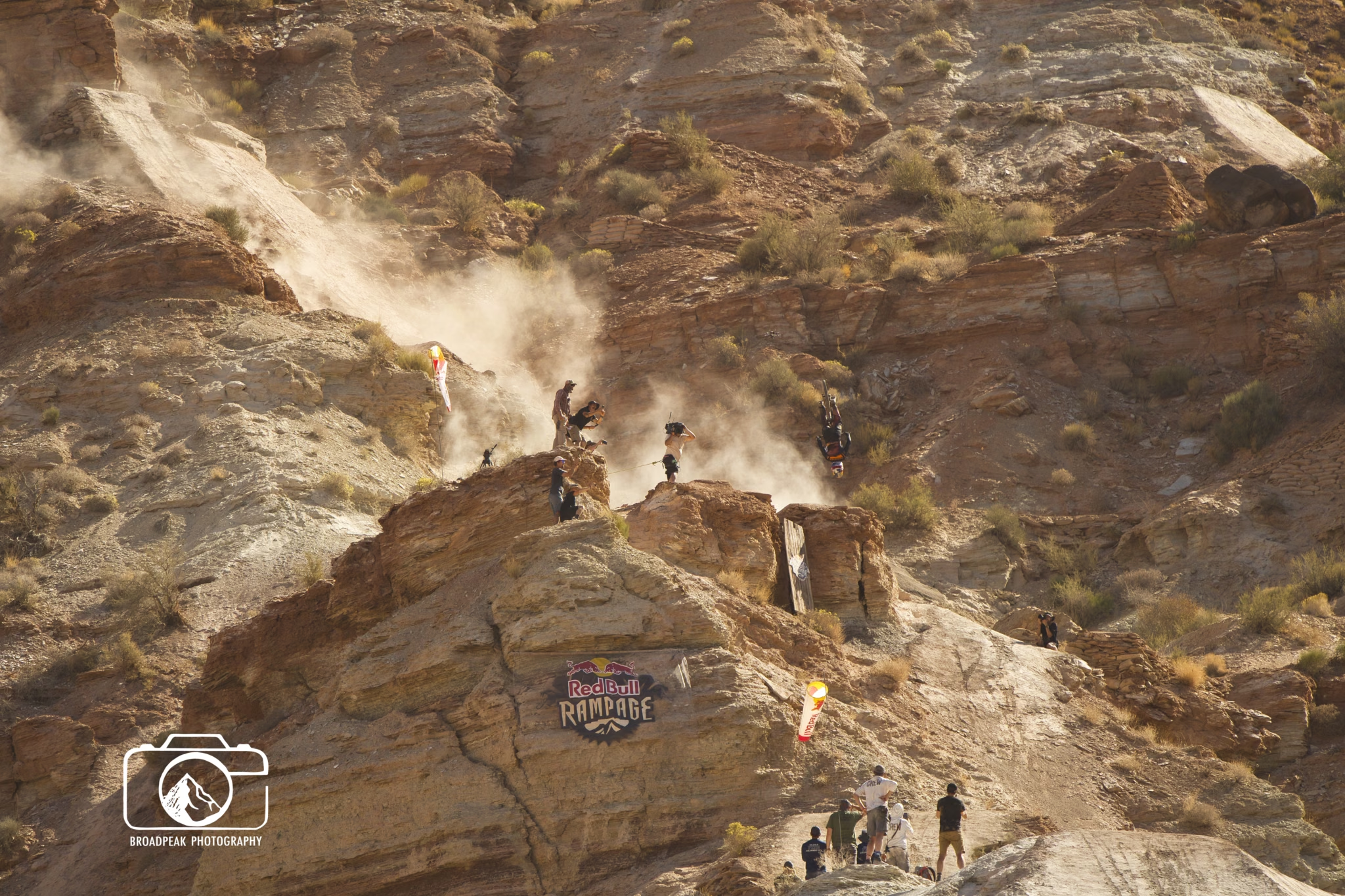
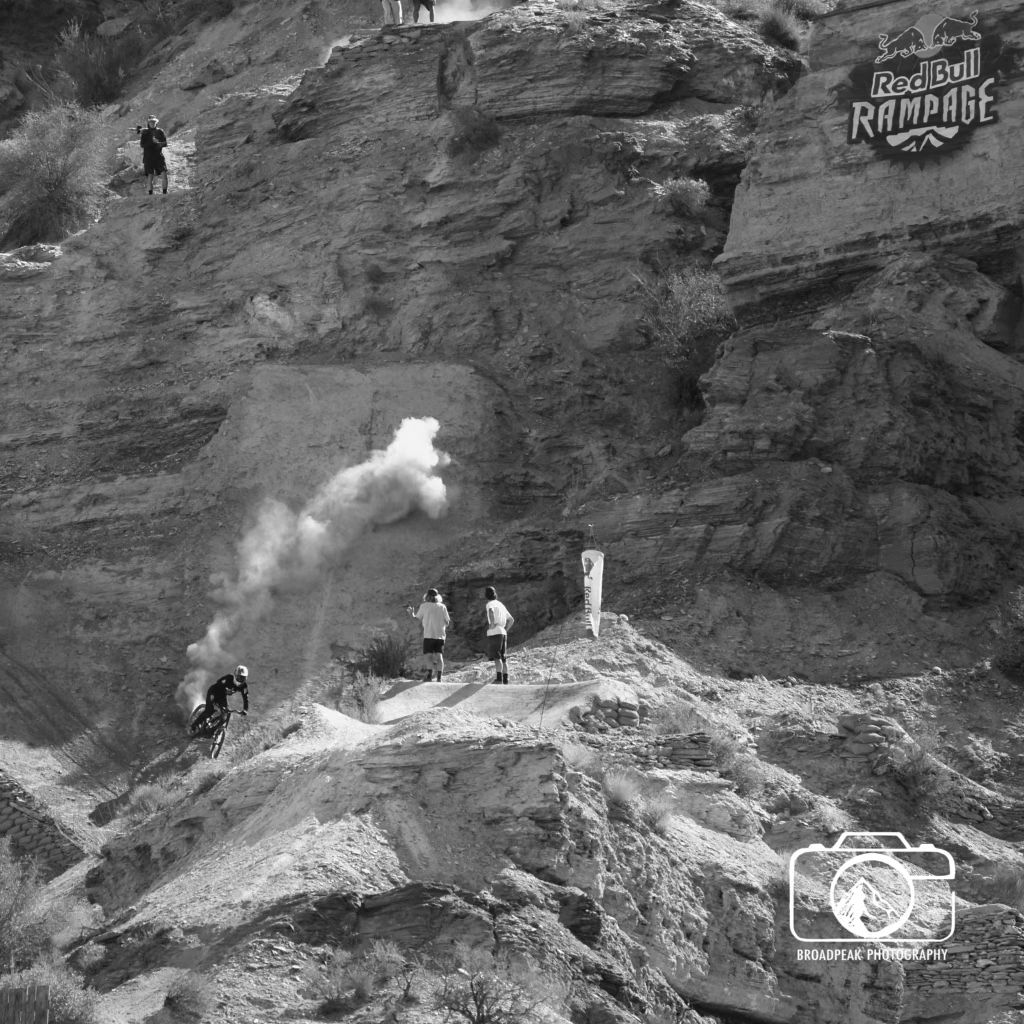
Godziek’s backflip at the top of this post is the frame I use to explain Rampage to someone who has never seen it. The rider is upside down, the dust is still hanging in the air, and people are standing on the rock a few feet away. A tight shot of the trick alone would lose all of that. The wider frame shows the scale of the place and how close everyone is to the action.
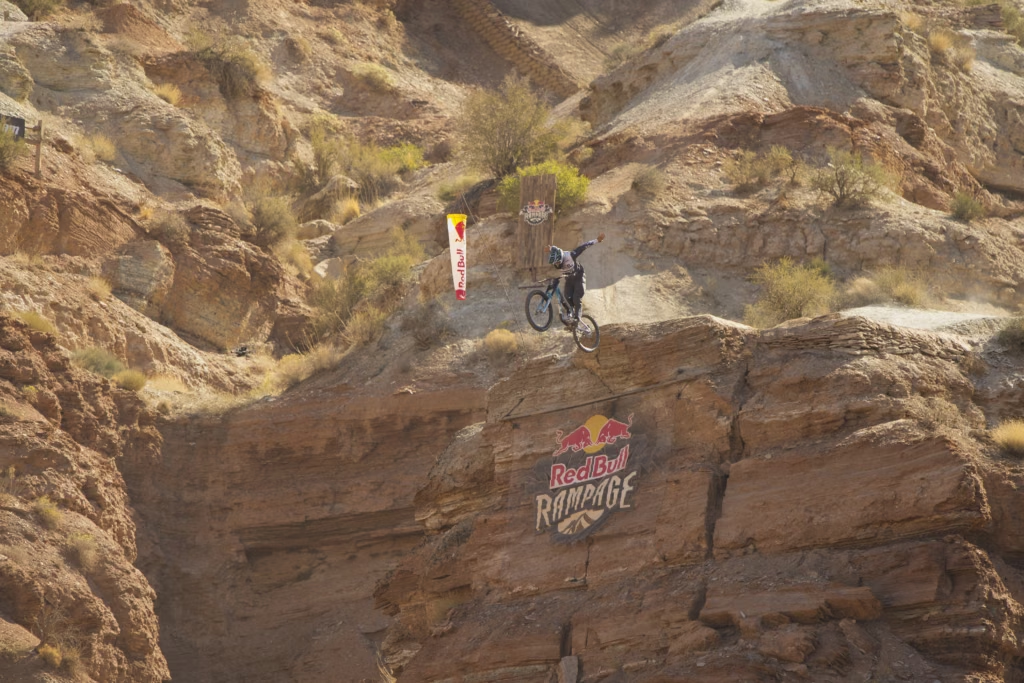
Spain’s Adolf Silva is the rider most likely to do something you have never seen before. A suicide no-hander, hands and feet off the bike over open red rock, is a frame you get exactly one chance at. I shoot moments like this as a burst and keep the one where his body is fully stretched out.
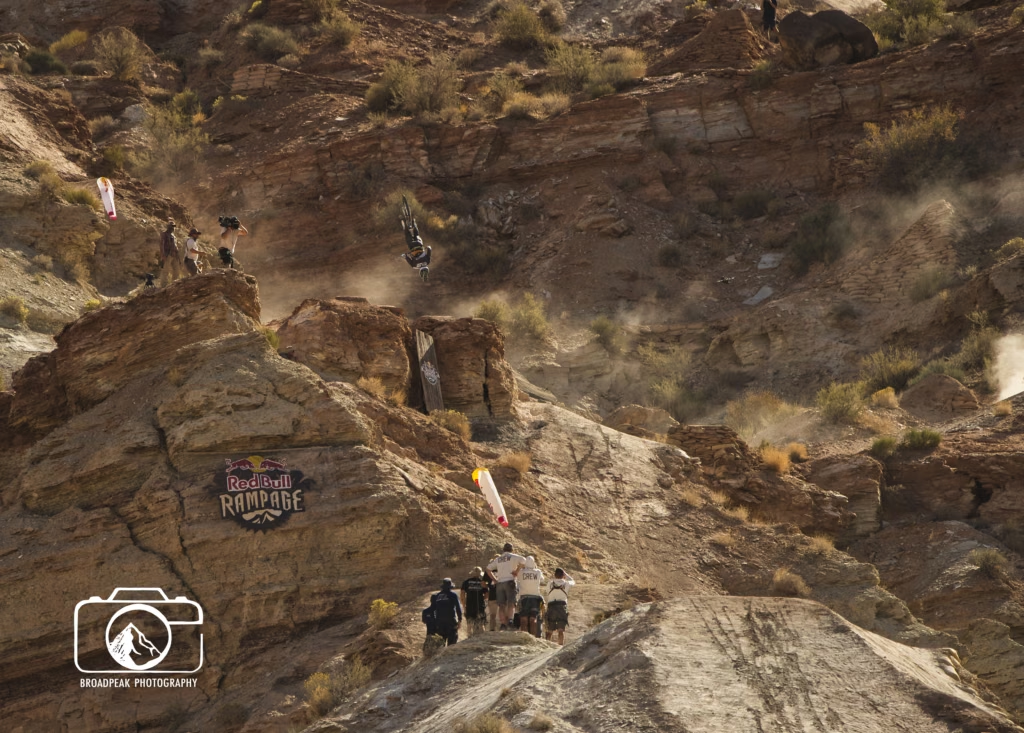
The flip everyone talked about
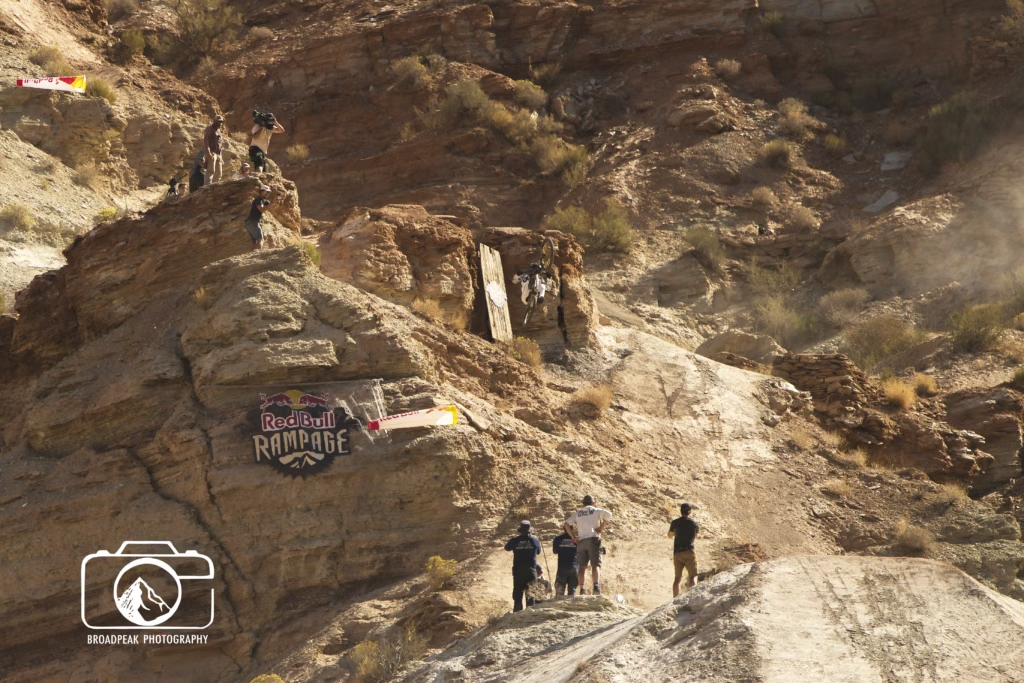
Tom Van Steenbergen took the Best Trick award for a front flip off one of the biggest drops on the mountain. He called it the biggest front flip drop he had ever done, roughly 20 metres of air from takeoff to landing. From the side it barely fits in the frame, which is exactly how it should look.
The first women’s Rampage
2024 also brought the first women’s competition in Rampage history, part of a new two-day format. Seven riders dropped in. New Zealand’s Robin Goomes won with 85.00, Georgia Astle finished second and Casey Brown third, and Brown also received the McGazza Spirit Award for her part in building women’s freeride.
How I shoot it
- Pick the feature before the rider. Practice days tell you which drops will have clean sky or red rock behind them when the afternoon light comes around.
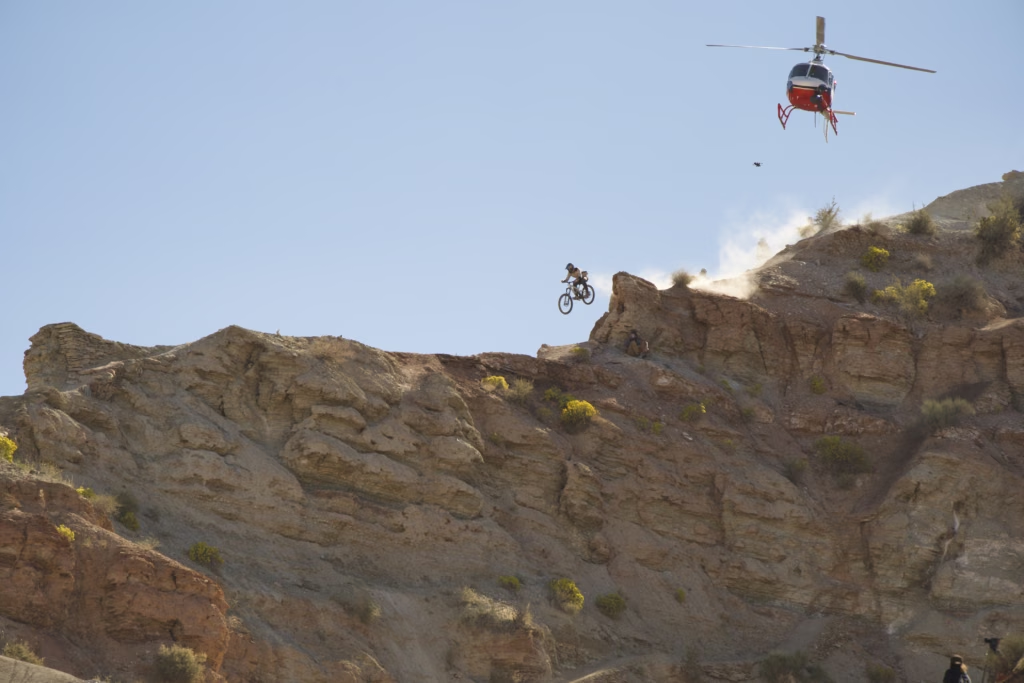
- Go long and go wide. A long lens shows the scale of a drop. A wide frame from the ridge shows how exposed the riders really are. A good set needs both.
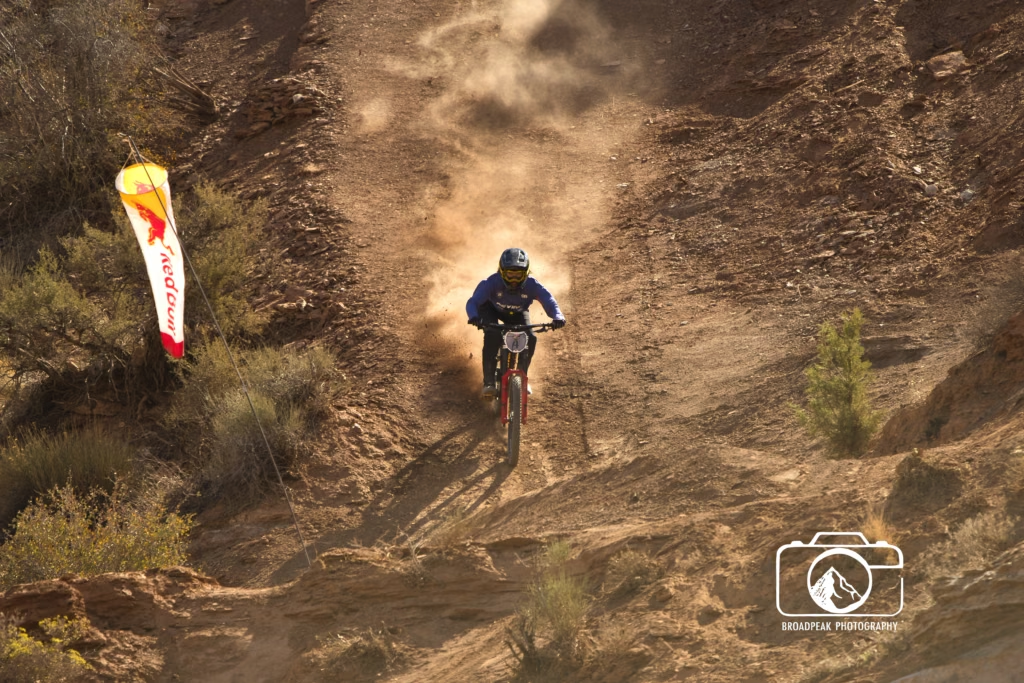
- Freeze it or drag it, on purpose. A fast shutter, 1/2000 of a second or quicker, freezes the bike and the dust. A slower pan blurs the desert into streaks behind the rider. Decide which one you want before the rider drops in.
- Let the tracking work. Continuous autofocus with subject tracking, started early in the run, holds a rider through the air far better than trying to catch them at the lip.
- Respect the wind. Practice and runs at Rampage regularly stop for wind. When it drops, everything happens fast, so stay ready between gusts.
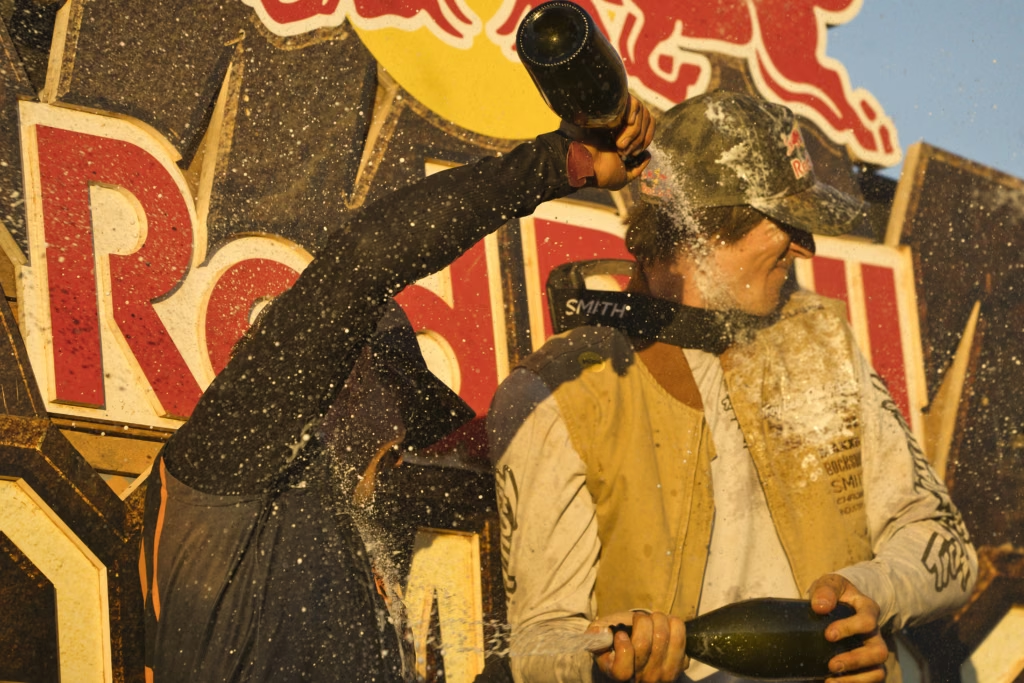
- Shoot the people too. The podium, the dig crews, riders talking through their lines between runs. Those frames carry the story after the action is over.
Light, dust and heat
The Utah desert is harsh at midday. The sun flattens the red rock and turns shadows black. The best frames come early and late, when low light rakes across the ridges and picks out every line and lip. Dust is the other constant. It is part of the look, glowing when it is backlit, but it gets into everything, so lens changes happen with your back to the wind and the camera pointed down.
In the edit I keep the color honest. The red of the rock and the blue of the desert sky are the point. Heavy grading makes Rampage look like every other action photo.
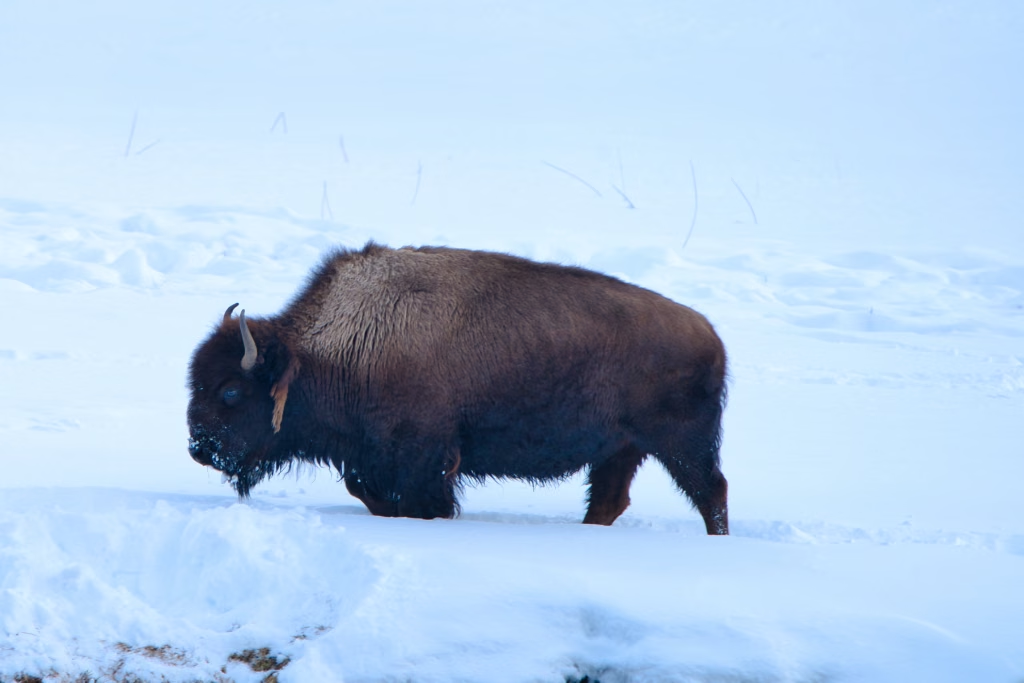
What it means for brands and events
Action photography is the same discipline whether it is Rampage, a ski film or a local race: know where the moment will happen before it does, and deliver selects fast enough to use while people are still talking about it. If you run an event, a team or an outdoor brand, see how I work on the outdoor, action and events page, browse the full Red Bull Rampage gallery,, or get in touch. For a slower kind of patience, see how I approach winter wildlife in Yellowstone and Grand Teton.